Blog
Uptime, performance and monitoring for agencies and the sites they run.
· 4 min read
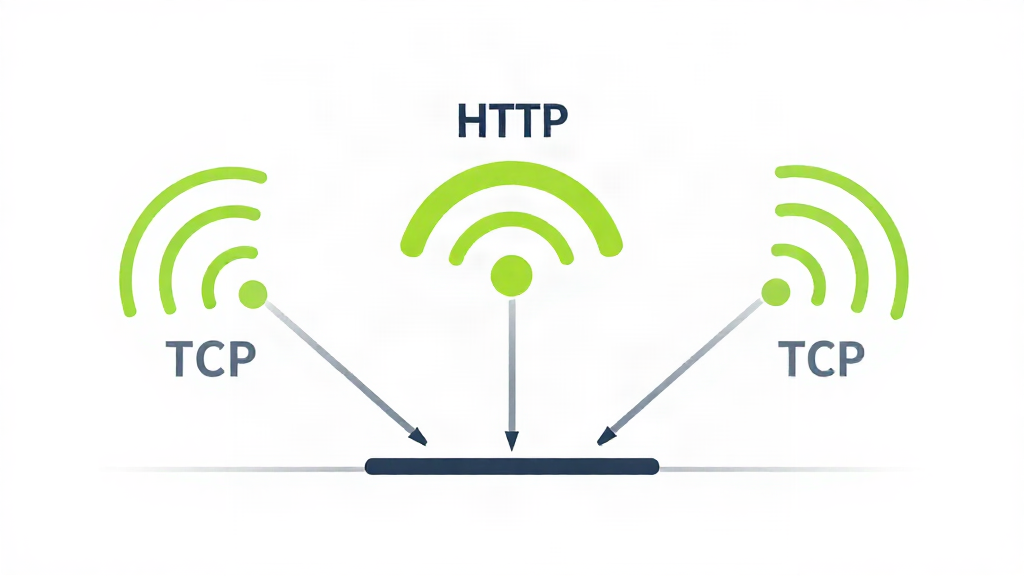
HTTP vs TCP vs Ping Monitoring: Which Check to Use
What each check type actually measures on the network Matching check types to websites, APIs, databases, and hosts Combining check types to confirm real downtime instead of false alarms
· 4 min read
What Is a Status Page? A Plain-Language FAQ for Agencies
What a status page shows, and what it does not Public vs private status pages, and when to use each How white-label status pages keep client communication on your brand
· 6 min read
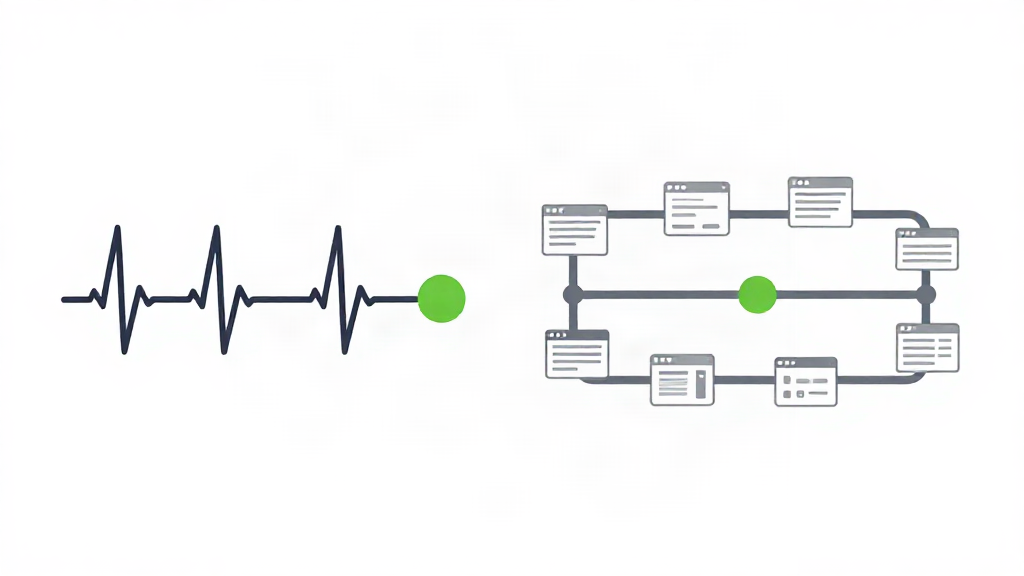
How to Monitor Cron Jobs With Heartbeat Checks
Why background jobs fail silently while your site still looks up Adding heartbeat checks to cron jobs, scheduled tasks, and workers Setting alert thresholds and confirming failures across regions
· 4 min read
SSL and Domain Expiry Monitoring: A Plain-Language Guide
What an expired SSL certificate or domain actually does to a visitor's experience How expiry monitoring works and the lead time you should set for each client site Turning an upcoming expiry into a short, non-technical heads-up the client understands
· 5 min read
Uptime vs. Synthetic Monitoring: What Small Teams Need
What uptime monitoring tells you and the blind spots it leaves open What synthetic monitoring adds, and when a browser script is more than you need A practical decision guide by team size, client count, and how often you ship

· 5 min read
Multi-Region Uptime Monitoring: Stop Chasing False Alarms
Why a single check location produces false alarms and what a real outage looks like instead Setting up HTTP, API, and ping checks across three regions and defining the confirmation threshold What to do when only one region reports a failure, and how to keep the alert channel quiet

· 4 min read
Uptime vs Performance Monitoring: Which Do You Need?
What uptime monitoring answers and where it stops being useful What performance monitoring adds: response time, page weight and deploy correlation How to combine both without doubling alerts or cost
· 5 min read
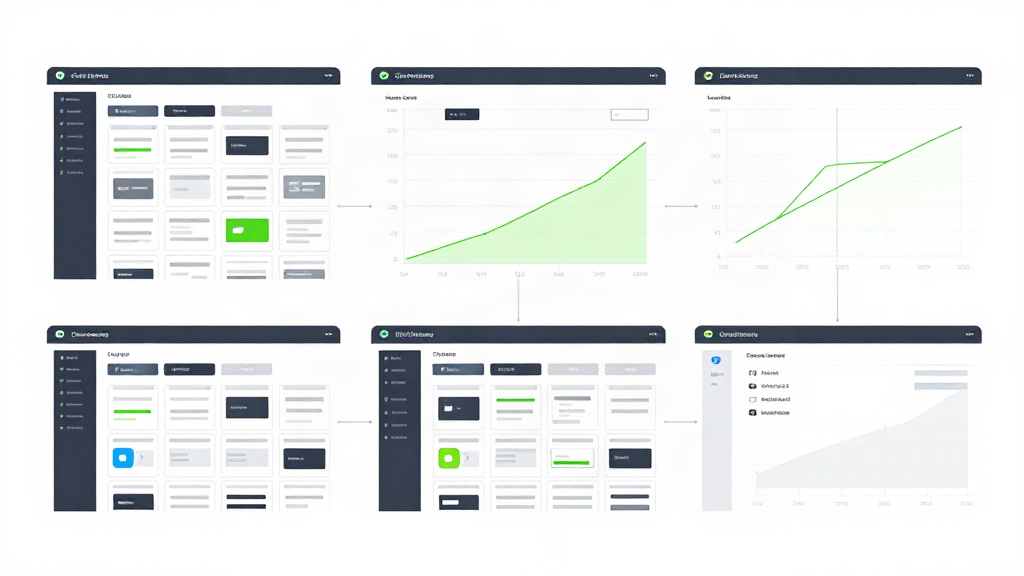
Best Uptime Monitoring Tools for Agencies (2026)
What separates an agency tool from a single-site monitor: multi-client organization, white-label pages and client reporting How the leading tools compare on regions, verification and alert routing Which tool fits small teams, large portfolios and reporting-heavy client relationships
· 5 min read
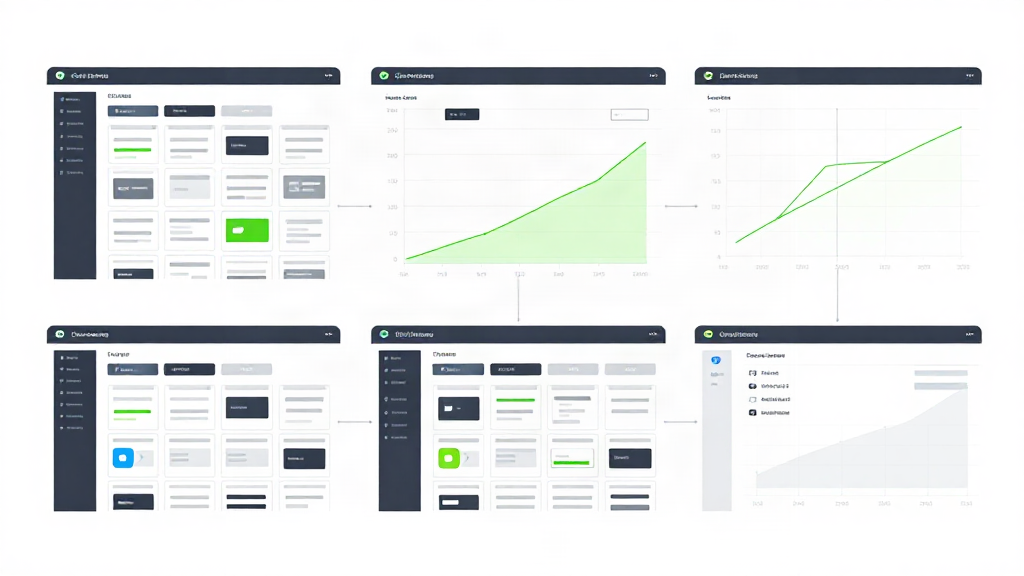
How to Set Up Uptime Monitoring for Client Websites
Most agency monitoring fails for the same reason: you turn on everything at once and drown. Setting it up properly is a selection exercise, not a configuration sprint.